Hormonal health – Would you like to optimise it? ?

A smiling woman stands at a fruit market holding a grapefruit. Beside her is the cover of The Balance Plan: Six Steps to Optimize Your Hormonal Health by Angelique Panagos, which highlights keto weight loss and features the same woman.


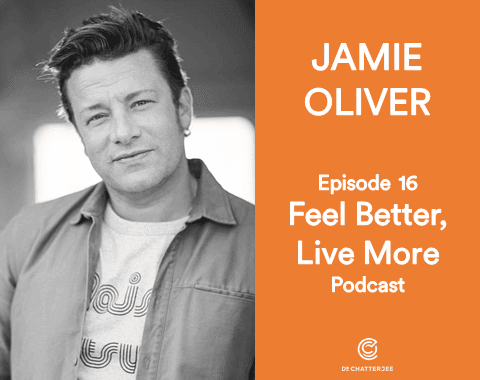
Dr. Rangan Chatterjee is a leading lifestyle and health teacher. His podcasts are well worth listening to. In this interview with Angelique Panagos, nutritional therapist and the author of The Balance Plan: Six Steps to Optimize Your  Hormonal Health, you will learn:

  • How have Angelique’s own experiences led her to learning about health and writing a book?
  • Why do Angelique and Rangan believe stress has a big role to play in modern health concerns?
  • Why does Angelique believe passionately that good nutrition is a vital part of healthy hormones?
  • How does Angelique think that your sleep pattern affects your hormones?
  • Find out Angelique’s six steps to optimising health.

Modern life and hormonal health

“Modern  life is attacking us. Ten years ago, there was a switch off between our work lives and our personal lives – we don’t have that anymore.” – Dr. Rangan Chatterjee


What are Angelique’s six steps to hormonal health?

Angelique Panagos, a nutritional therapist specializing in hormonal health, outlines six essential steps to optimize hormone balance. Her approach is rooted in holistic nutrition and lifestyle practices aimed at restoring equilibrium in the endocrine system. Here’s a summary of her six steps:

  1. Balance Blood Sugar: Angelique emphasizes that fluctuating blood sugar levels can wreak havoc on hormones, particularly insulin, cortisol, and sex hormones. She advocates for a nutrient-dense diet that includes healthy fats, quality proteins, fiber-rich vegetables, and complex carbohydrates to maintain stable blood sugar throughout the day.
  2. Support the Gut: A healthy gut is crucial for hormone regulation. Panagos encourages the consumption of fermented foods, prebiotics, and a diverse range of plant-based foods to support digestion and gut flora. Poor gut health can impair estrogen detoxification and contribute to inflammation.
  3. Love Your Liver: The liver plays a key role in metabolizing hormones, especially estrogen. Angelique recommends reducing alcohol, caffeine, and processed foods while incorporating liver-supportive foods like cruciferous vegetables, garlic, and lemon water to help the liver function efficiently.
  4. Reduce Stress: Chronic stress leads to elevated cortisol levels, which can suppress reproductive hormones and contribute to hormonal imbalances. Panagos suggests mindfulness practices, adequate rest, and setting boundaries to manage stress more effectively.
  5. Improve Sleep: Quality sleep is vital for hormonal repair and balance. She encourages establishing a regular sleep routine, limiting screen time before bed, and creating a restful sleep environment to support melatonin and overall endocrine function.
  6. Clean Up Your Environment: Exposure to endocrine-disrupting chemicals in cosmetics, plastics, and cleaning products can interfere with hormonal health. Panagos advocates switching to natural, non-toxic alternatives to minimize this risk.

These six steps work synergistically to promote balanced hormones and overall wellbeing, aligning with Panagos’ philosophy of sustainable, holistic health.

Follow this link to hear the podcast

Reference:

Dr. Rangan Chatterjee

Angelique Panagos

LCHF foods that I love – sauerkraut

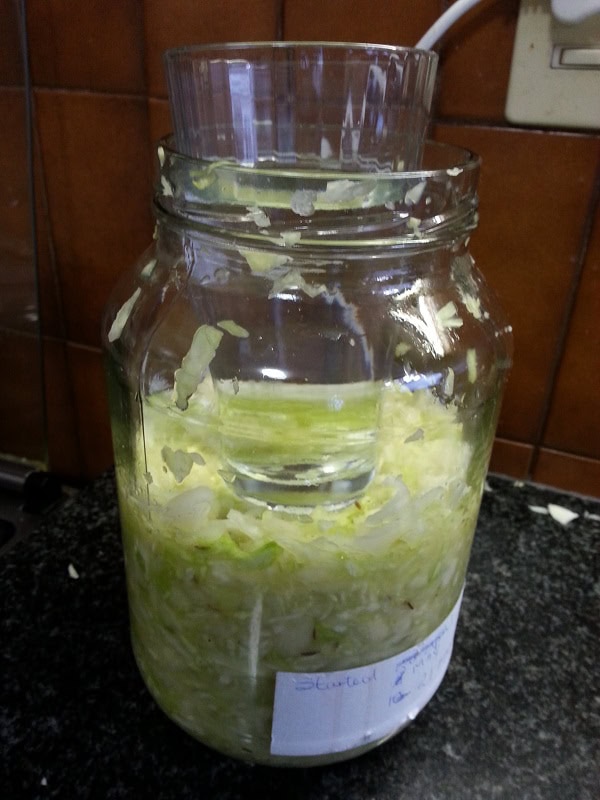
A large glass jar filled with shredded cabbage, ideal for keto weight loss, with a glass placed upside down inside the jar, sits on a dark countertop in a kitchen.

“Sauerkraut, the miracle cabbage.”

– Linda Joyce Forristal, Western Price Organisation

Many sources believe that raw fermented foods are Foods beneficial to the digestive system. by increasing the healthy flora in the intestinal tract or creating the type of environment for them to flourish.

Sauerkraut and it’s juice are traditional folk remedies for constipation.

Fermentation actually increases nutrient values in the cabbage, especially Vit C.

Fermented foods are also said to facilitate the breakdown and assimilation of proteins.

They have a soothing effect on the nervous system.

Best of all, homemade, crunchy sauerkraut is a delicious addition to meals, especially those containing fatty meats.

Making sauerkraut at home

This recipe will make 1 to 1 1/2 quarts (0.95 – 1.425 litres)

Here’s what you will need:

Ingredients

Head of cabbage weighing 3 pounds (1.362 kilograms)

1 1/2 tablespoons kosher salt

A tablespoon of caraway seeds (optional, for flavour)

Equipment

Cutting board

Chef’s knife

Large mixing bowl

2-quart (2 litre) wide-mouth jar

Canning funnel

Smaller jar that fits into the opening of the large jar

Clean weights for weighing down the small jar

Cloth for covering the jar

Rubber ban for securing the cloth

Instructions

Clean everything thoroughly. This includes your hands.

Thinly sliced cabbage for sauerkraut.
Slice the cabbage as thinly as possible for making sauerkraut.

Slice the cabbage as thinly as possible, discarding the outer leaves and the core.

Combine the cabbage with the salt using your hands and massage it well until liquid forms in the bottom of the bowl.

Combine the cabbage and the salt in the large mixing bowl.

Sprinkle the salt over the cabbage work the salt into the cabbage by massaging and squeezing the cabbage with your hands.

Gradually the cabbage will become watery and limp, a bit like coleslaw. Keep this up for at least 10 minutes.

Massage the caraway seeds in.

Pack the cabbage and the liquid into the large glass jar. Push it down hard with your fist.

Weigh the cabbage down using the small jar that you have filled with weights to keep the cabbage submerged beneath the liquid. I also use my sterilized potato masher implement to push the cabbage beneath the water.

Cover the jar with the clean cloth that is held in place with the elastic band. This will keep dust and insects away while allowing air to circulate into the jar.

Press the cabbage down every few hours. Fermentation starts to happen.

Within 24 hours, bubbles will appear in the liquid covering the cabbage. This is the start of fermentation that will result in sauerkraut.

Within 24 hours, or sooner, you will see bubbles which will tell that fermentation has begun. This will take 3 to 10 days.

Keep it away from direct sunlight and at a room temperature of 65 – 70 degrees F (18 – 21 degrees C).

You may see bubbles coming through the cabbage, foam on the top, or white scum. These are all signs of a happy, healthy fermentation process. The scum can be skimmed off during fermentation or before refrigerating.

If you see any mould, skim it off immediately and make sure your cabbage is fully submerged; don’t eat mouldy parts close to the surface, but the rest of the sauerkraut is fine.

I know that my sauerkraut is done when it tastes and smells like sauerkraut.

Store sauerkraut for several months and even longer if refrigerated. As long as it still smells and tastes good, it will be.

Reference:

The kitchnn.com 

Low-carb foods that I love – eggs

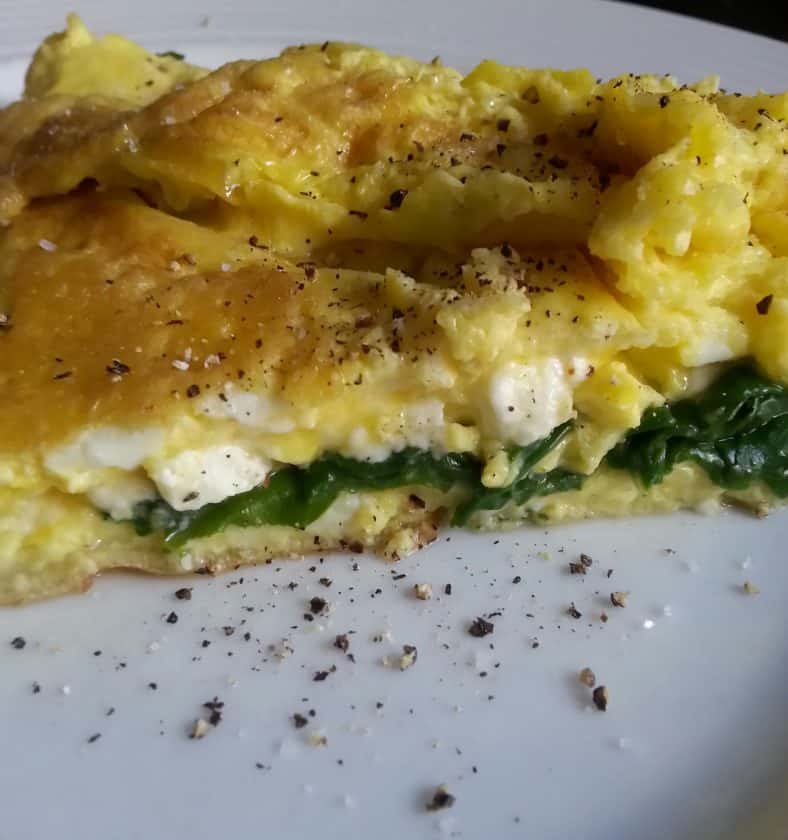
A close-up of a spinach and cheese omelette on a white plate, topped with cracked black pepper—perfect for a keto weight loss meal.

“Embrace low-carb eggs. They’re healthy, satisfying and very good for you.

Professor Tim Noakes

Low-carb, keto friendly,  eggs are probably the most nutritionally complete food in the world. If we take a look at the nutrients in just one egg, it is obvious that eggs are the ultimate vitamin and mineral supplement. I never eat a single egg but rather a couple at a time.

Here’s what one egg contains:

  • Selenium: 23% RDA
  • Riboflavin: 14% RDA
  • Vitamin B12: 11% RDA
  • Phosphorus: 10% RDA
  • Pantothenic Acid: 7% RDA
  • Folate: 6% RDA
  • Iron: 5% RDA
  • Vitamin A: 5% RDA
  • Vitamin B5: 5% RDA
  • Zinc: 4% RDA
  • Vitamin B6: 4% RDA
  • Vitamin D: 4% RDA
  • Calcium: 3% RDA
  • Copper: 3% RDA

Eggs also provide the most bio-available protein of all food and they’re high in healthy fats.

Lutein and zeaxanthin are two of the many anti-oxidants found in eggs. These protect our eyesight and reduce the risks of macular degeneration.

Choline is present eggs and protects against adverse conditions such as diabetes and DNA damage.

Eggs are affordable to nearly every food budget.

Anyone can learn to cook eggs, such as this simple omelette cooked in coconut oil and filled with steamed spinach and feta cheese. The options are endless!

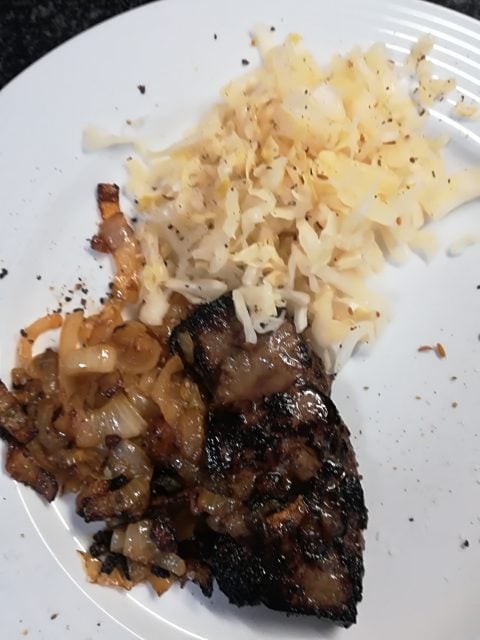
LCHF foods I love – beef liver sauteed with onions

A white plate with a serving of grilled meat topped with caramelized onions, alongside shredded cheese—perfect for keto weight loss. A sprinkle of ground black pepper adds extra flavor to this satisfying, low-carb meal.

Crammed full of nutrients, if a “superfood” truly exists, then we have to give that recognition to beef liver. All beef, pork or chicken livers, are incredibly rich in protein, vitamins and minerals.

The nutritional of 100 grams of beef liver are as follows:

  • Vitamin B12: 1176% RDA
  • Copper: 714% RDA
  • Vitamin A: 634% RDA
  • Riboflavin: 201% RDA
  • Niacin: 88% RDA
  • Pantothenic Acid: 71% RDA
  • Folate: 63% RDA
  • Selenium: 52% RDA
  • Phosphorus: 50% RDA
  • Iron: 36% RDA
  • Zinc: 35% RDA
  • Manganese: 18% RDA
  • Potassium: 10% RDA

A weekly meal of liver is more than enough to ensure adequate micronutrient intake. As liver contains a high amount of Vitamin A, it is possible to experience toxicity if eaten  too often.

Reference:

www.nutritionadvance.com

Sautéed Beef Liver with Onions (Serves 2–3)

Ingredients:

  • 1 lb beef liver, sliced thin
  • 2 medium onions, thinly sliced
  • 2 tbsp olive oil or butter
  • ½ cup milk (for soaking)
  • Salt and black pepper to taste
  • 1 tsp garlic powder (optional)
  • Fresh parsley for garnish (optional)

Instructions:

Rinse the liver under cold water and soak it in milk for 30–60 minutes to mellow the flavor. Drain and pat dry. Season with salt, pepper, and garlic powder if using.

In a large skillet, heat 1 tablespoon of oil or butter over medium heat. Add the onions and sauté until golden and caramelized, about 10–12 minutes. Remove onions and set aside.

Add the remaining oil to the skillet. Increase heat to medium-high and add the liver in a single layer. Cook for 2–3 minutes per side until browned but still slightly pink in the center to avoid toughness.

Return the onions to the pan, stir gently, and cook together for 1 more minute. Remove from heat and garnish with fresh parsley if desired. Serve warm with mashed potatoes or crusty bread.

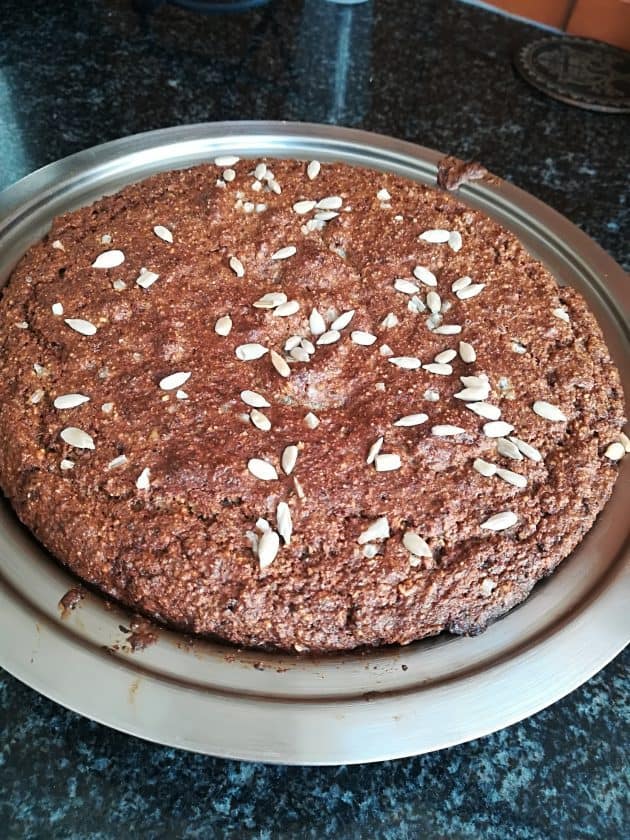
Cook Something – Fiona’s Low-carb Keto Bread

A round, homemade brown bread for keto weight loss, topped with sunflower seeds, sits on a metal plate on a dark countertop. The bread has a rustic, dense texture and a slightly cracked surface.

There’s no need to miss bread on your keto diet. If you’re craving a simple slice of toast with butter or avocado, I can show you how to make your own low-carb keto bread.

Not only is this bread recipe quick to make, but it can be batch prepped, frozen, and ready to enjoy without ever turning on the oven.

Fiona’s low-carb keto bread that works! This delicious, easy-to-make, coconut and almond flour bread is delicious and toasts well. Slice and freeze it the same day that you make it.

Continue reading “Cook Something – Fiona’s Low-carb Keto Bread”

Type 2 Diabetes Devastation

Type 2 Diabetes

 Those afflicted with type 2 diabetes will die at greatly increased rates from heart disease; stroke; kidney disease and diabetic coma. A first sympton is that eyesight will deteriorate. Nerve damage will occur and teeth will decay and fall out. Limbs will be amputated because of foot ulcers and gangrene. Diabetes causes six out of ten amputations.

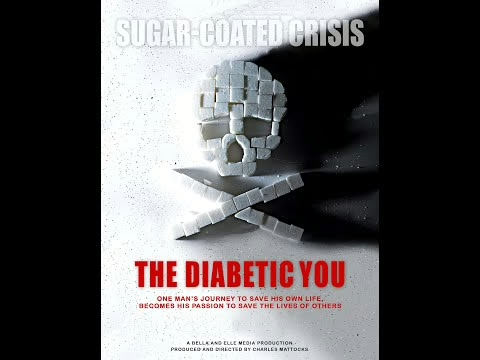
To get a sense of how ghastly this disease epidemic is, watch this two-minute clip from the documentary that is available to watch on YouTube.

This condition is a highly complex health condition with many possible treatment options. In recent years, very-low-carbohydrate diets that include frequent intermittent fasting have emerged as a way to not only treat type 2 diabetes, but also reverse it. Whether reversing type 2 diabetes is possible is highly contentious among medical professionals and scientists. There is certainly more acknowledgment that “pausing” diabetes or putting it “in remission” is possible.

Jason Fung, Canadian Nephrologist

Jason Fung, a Canadian nephrologist, believes unequivocally that, yes,  it can be reversed. His book, The Diabetes Code: Prevent and Reverse Type 2 Diabetes Naturally, is an instruction manual on just how to do it. The book begins with a detailed history and explanation of how this condition has become the epidemic of the 21st century. It also explains why conventional treatments (including drugs) simply do not work. It is well accepted that drugs cannot work alone. Diet and exercise are cornerstones of diabetes management. Fung explains exactly why and how nutrition should be the foremost focus.

Type 2 diabetes is started by insulin resistance. Doctor Jason Fung, who features in the documentary, uses longer fasting periods to lower insulin levels in his patients. This allows the body to recover from insulin resistance. But in order to avoid hunger from fluctuating blood sugar levels, the patient is first weaned off refined carbohydrates and started on the healthy fat low carbohydrate diet.

The researchers found that practicing this type of fasting for 30 days raised the levels of certain proteins. These can improve insulin resistance and stave off the adverse effects of a diet rich in fats and sugar.

By adapting to a LCHF Banting lifestyle, we reverse insulin resistance, and even Type 2 Diabetes.

Cook something – creamy fried cabbage

Cabbage and bacon pieces, a perfect keto weight loss meal, served on a white plate with blue floral designs, topped with cracked black pepper, on a dark countertop.

Creamy fried cabbage, a favourite side dish with the added benefit of using three pre-biotic vegetables, cabbage, onion and garlic, which provide soluble fibre to the small intestine and support digestion.

Soluble fibre is an essential part of a healthy diet, offering a range of benefits for overall well-being. It dissolves in water to form a gel-like substance, which helps slow digestion and keeps you feeling fuller for longer. This can aid in weight management and help control appetite. Soluble fibre also plays a key role in lowering cholesterol levels by binding to cholesterol particles and removing them from the body. Additionally, it helps regulate blood sugar levels, making it particularly beneficial for people with diabetes. Found in foods like oats, apples, beans, and citrus fruits, soluble fibre also supports gut health by feeding beneficial gut bacteria, contributing to a stronger immune system and better digestion.

Leftovers are delicious with breakfast eggs. Drop the cream if you’re lactose intolerant. This dish is low-carb and keto friendly.

Continue reading “Cook something – creamy fried cabbage”

Halle Berry shares her diet secrets

Halle Berry

Halle Berry explains a ketogenic diet in the clearest, simplest way. Who can not get it?

Halle Berry and the Keto Diet: A Star’s Secret to Staying Fit

Halle Berry, the Oscar-winning actress known for her age-defying beauty and impressive physique, is a long-time advocate of the ketogenic (keto) diet. At 50+, Berry credits this low-carb, high-fat lifestyle for helping her manage diabetes and maintain her health and fitness.

Type 1 diabetes diagnosis

Diagnosed with type 1 diabetes at age 22, Berry later discovered that keto could help stabilize her blood sugar levels. The keto diet works by forcing the body into a state of ketosis, where it burns fat for energy instead of carbohydrates. For Berry, this not only helped her control insulin levels but also supported her fitness goals and enhanced mental clarity.

Her typical keto-friendly meals include healthy fats like avocado, coconut oil, and olive oil, along with moderate protein and leafy greens. She avoids sugar, bread, and processed carbs. Berry often shares glimpses of her meals and fitness routines on social media, inspiring fans to take a healthier approach to eating.

Fitness Training

In addition to her diet, Berry works with personal trainer Peter Lee Thomas to maintain a rigorous workout routine that includes strength training, boxing, and yoga. She emphasizes that the combination of keto and consistent exercise has helped her feel younger and more energized.

Halle Berry’s dedication to the keto lifestyle has made her a strong role model for others looking to improve their health, particularly those managing chronic conditions like diabetes. While keto may not be for everyone, Berry’s success story shows that with discipline and the right support, significant benefits can be achieved.

As always, anyone considering a major dietary change should consult with a healthcare provider. But for Halle Berry, keto has proven to be more than a trend—it’s a long-term solution for health and vitality.

What I’m reading – The Case Against Sugar by Gary Taubes

A close-up of a stack of books including The Case Against Sugar—perfect for anyone interested in keto weight loss—alongside The Art of the Start 2.0, Empire State of Mind, and The Corrections on a dark surface.

Gary Taubes includes this statement by the U.K. chancellor of the exchequer in his latest book.

“I am not prepared to look back at my time here in this Parliament, doing this job, and say to my children’s generation: I’m sorry, we knew there was a problem with sugary drinks, we knew it caused disease, but we ducked the difficult decision and we did nothing.”

– George Osborne, U.K. chancellor of the exchequer, announcing a tax on sugary beverages, March 16, 2016

I’m a huge fan of Gary Taubes, an award-winning science and health journalist, with three Science in Society Journalism Awards from the National Association of  Science Writers, and is the recipient of a Robert Wood Johnson Foundation Investigator Award in Health Policy Research. Gary is co-founder of the Nutrition Science Initiative. When I first began my journey into low carb, healthy fat living, Gary’s books Why We Get Fat: And What To Do About It and Good Calories, Bad Calories, made it all plain for me. He has also written Bad Science: The Short Life and Weird Times of Cold Fusion as well as Nobel Dreams: Power, Deceit and the Ultimate Experiment.

Gary Taubes’ introduction

In his introduction to The Case Against Sugar, Gary says the following:

The purpose of this book is to present the case against sugar – both sucrose and high-fructose corn syrup – as the principal cause of the chronic diseases that are most likely to kill us, or at least accelerate our demise, in the twenty-first century. Its goal is to explain why these sugars are the most likely suspects, and how we arrived at the current situation: a third of all adults are obese, two-thirds overweight, almost one in seven is diabetic, and one in four to five will die of cancer; yet the prime suspects for the dietary trigger of these conditions have been, until the last decade, treated as little worse than a source of harmless pleasure.

After studying Gary’s case for the prosecution, which begins with the early domestication of sugar in New Guinea about ten thousand years ago; the discovery of sugar crystals by Indian farmers in 500 B.C.; it’s distribution to China and Japan by Buddhist missionaries; carried by the Muslim expansion into the Mediterranean countries; the further introduction by Columbus into the New World, and ends with the modern times, where Americans currently eat between 150 lbs and 170 lbs of sugar per person annually; where half a billion adults and 40 million children on the planet are obese, and diabetes is a worldwide epidemic, there can be little doubt that the hypothesis is correct.

The Case Against Sugar is a challenging read with a bibliography that extends to 35 pages and with 281 notes, but, in my opinion is well worth the effort.

Conclusion

Gary’s earlier books helped change the way I eat but The Case Against Sugar disturbs deeply. In its pages I learned:

  • That sugar and tobacco are married. Who would know that soaking Virginia and Burley in a sugar sauce would encourage inhalation of smoke from blended cigarettes, and addiction. Gunpowder and nuclear weapons have killed fewer people.
  • That sugar and slavery went hand in hand. When Muslims began growing sugar in the Middle East in the seventh century, they imported black slaves from East Africa to work the fields.
  • That the present epidemic of obesity, diabetes, gout, heart disease, cancer is probably not possible to reverse.

Published: Portobello Books, 2016

ISBN 978 1 84627 637 8

Photo credit: Myself