The ‘healthy snack’ is one of the greatest weight loss deceptions. The myth that ‘grazing is healthy’ has attained legendary status. If we were meant to graze, we would be cows. Just don’t snack. Even as recently as the 1960’s people ate only three times a day. Constant stimulation of insulin leads to insulin resistance.
Pre-packaged snack foods have taken over our supermarket shelves.
Are snacks necessary? No. Simply ask yourself this question. Are you really hungry or just bored? Keep snacks completely out of sight.
If you have a snack habit replace that habit loop with one that is less destructive to your health. Perhaps a cup of green tea in the afternoon should be your new habit and will ensure success with your weight loss keto diet.
There’s a simple answer to the question of what to eat at snack time.
Nothing. Don’t eat snacks. Simplify your life. Period.
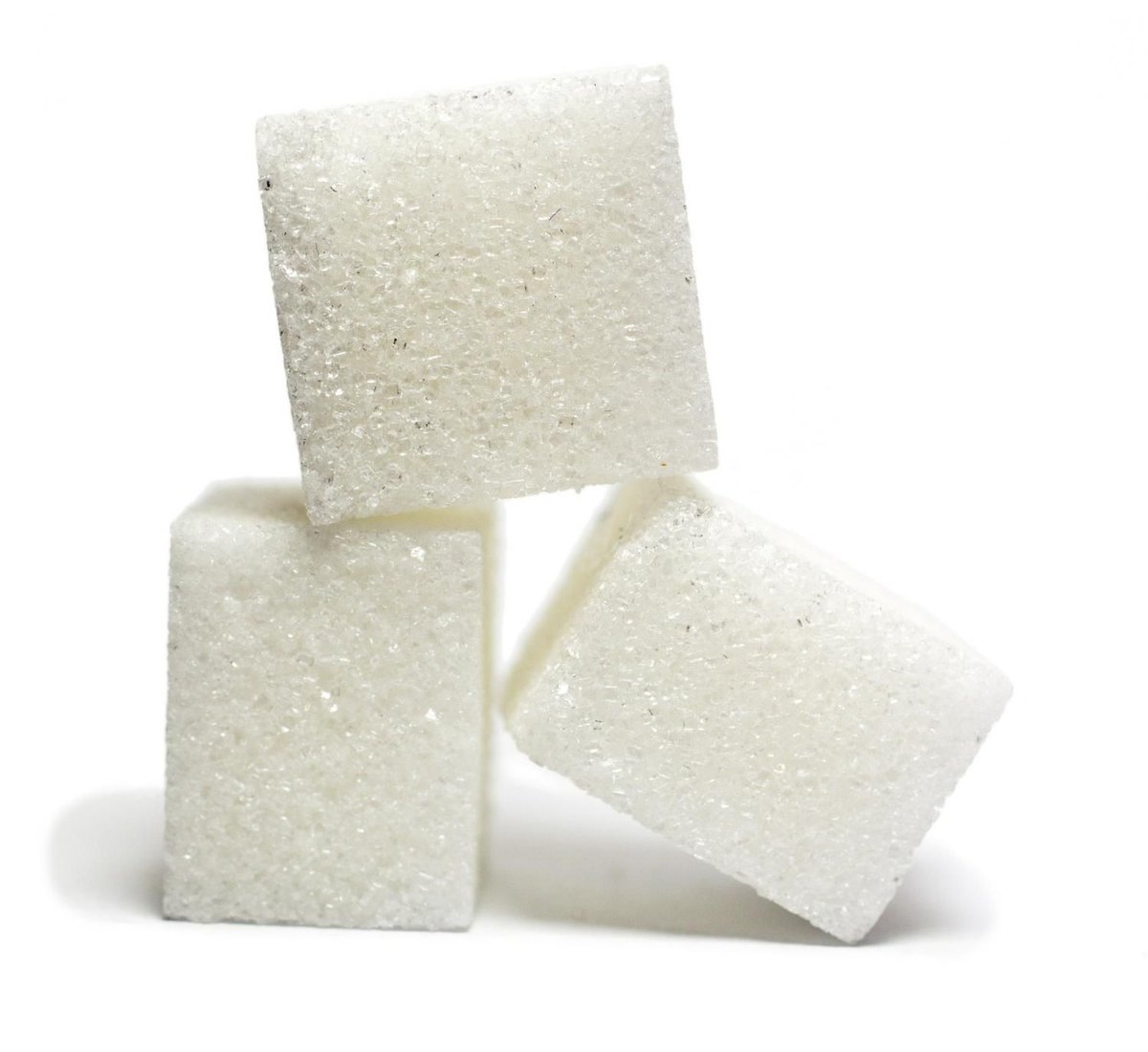
To avoid added sugar is a fundamental step in weight loss. Dr. Jason fung makes this clear in his statement below.
“Obesity is a hormonal disorder of fat regulation. Insulin is the major hormone that drives weight gain, so the rational therapy is to lower insulin levels.” – Dr. Jason Fung
In the next several blog posts, I will lay them out for you.
For LCHF, Keto, Banting weight loss success, reduce your consumption of added sugars.
STEP 1: REDUCE YOUR CONSUMPTION OF ADDED SUGARS
SUGAR STIMULATES INSULIN SECRETION , but it is far more sinister than that. It contributes directly to insulin resistance in the liver and over time insulin resistance leads to higher insulin levels.
Many natural, unprocessed whole foods contain sugar, such as fructose in fruit and lactose in milk.
Naturally occurring and added sugars are distinct from one another. The two key differences are amount and concentration. Sugars are added to food during processing or cooking .
Why we need to avoid added sugar. What are the pitfalls?
Sugars may be added in unlimited amounts.
Also, sugar may be present in processed foods in much higher concentrations than in natural foods.
Sugar may be ingested by itself, which may cause people to overeat sugary treats, as there is nothing else within the food to make you feel “full”.
For these reasons, we need to avoid added sugar, rather than natural sugars in our diets.
Check all processed food labels to find out how much sugar there is in 1 serving of the product.
Here is the first step to doing that:
READ ALL LABELS ON PROCESSED FOODS
Almost ubiquitous in refined and processed foods, sugar is not always labeled as such. Other names include sucrose, fructose, maltose, dextrose, glucose, molasses, hydrolyzed starch, honey, invert sugar, cane sugar, high-fructose corn syrup, brown sugar, corn sweetener, rice/corn/cane/maple/malt/golden/palm syrup and agave nectar.
These aliases attempt to conceal the large amounts of added sugar.
If it comes in a package, it probably contains sugar.
Asking how much sugar is acceptable is like asking how many cigarettes are acceptable. Ideally, no added sugar at all would be best if you want to succeed with your weight loss keto diet.
In the next post, we will look at how to deal with deserts.
Reproduced from a Business Insider article, here are plenty of lower-carb grain alternatives to add to your plate. Not all of these will be available in your local food market, but some surely will be.
“The good news is that if you’re looking to limit your carb intake, there’s plenty of options for you — especially when it comes to replacing grains.” – Business Insider
So start experimenting.
Broccoli and cauliflower as lower-carb grain alternatives
Cauliflower rice is enjoyed on a LCHF Banting ketogenic diet.Broccoli is similar to cauliflower rice. Make riced broccoli easily using a box grater or a food processor. Quinoa is a nutritious alternative to rice and contains fifteen times less carbohydrate content. Avoid quinoa during your LCHF Banting Transformation weight loss phase but enjoy it in moderation when you have achieved Preservation.Delicious sweet potatoes are prebiotic vegetables and can be prepared in a myriad of different ways.If you’re lucky enough to get this cabbage turnip fusion at your vegetable market, then enjoy it as part of your Banting, low carb healthy fat diet for it’s anti-oxidant and extremely low carb, 9 grams of net carbs, benefits.The Japanese konjac plant is used to make Shirataki rice and noodles that have zero carbohydrates and calories, and zero gluten and soy. It is flavoured by the other ingredients in the meal. Get your konjac products at Wellness Warehouse. Butternut squash is another delicious side vegetable although I personally opt for pumpkin instead because it has half the number of carbohydrates that butternut has and is equally delicious. A South African favourite barbecue side is made with butternut. The pips are removed from butternut halves. Then fill the space with fried onions, garlic, chopped peppers and mozzarella cheese. These are then enclosed with aluminium foil and cooked on the barbecue grid.Super affordable, prebiotic vegetable cabbage rice only has five grams of carbohydrate per cup and can be used for anything as a lower-carb grain alternative.Delicious zucchini noodles have only six grams of carbohydrate per cup.
Hippocrates may not have been entirely right. Current medical thinking is increasingly emphasising the importance of the intestines. There are links between digestion, mood and health. According to the Real Meal Revolution, many Banters who are heavier and insulin resistant appear to have poor gut health.
In my own case, I know this to be true as I had digestive problems for decades. Then I began to prepare for weight loss. I began to feed my gut biome and eliminate harmful substances. As a result, my depression and anxiety disappeared. Stable, upbeat moods replaced depression and anxiety.
Here’s what we know for sure about this enormous organ:
It is considered to be “the second brain”
The small intestine is responsible for around 95% of the digestion and absorption of the food we eat.
The total surface area exposed to both the nutritious and harmful things we consume has been calculated to be anywhere from the size of a badminton court to the size of a tennis court!
Key to the effective and healthy functioning of the small intestine is the symbiotic relationship it enjoys with our gut flora. These trillions of microorganisms line the intestinal wall. They form a vital living interface between the partially digested food on the inside and the intestinal wall on the outside.
Gut flora manufacture vitamins B and K, and act as an organ of the body by releasing hormones into the bloodstream. (As we have seen, hormones interact with the brain and signal the body to change its behaviour in response to a change in its environment. Irritable bowel syndrome, IBS and other bowel problems such as constipation and bloating are now thought to directly affect our mood, contributing to emotional shifts and even anxiety and depression.)
Our gut flora also plays an important hand in managing the body’s metabolism and it forms part of the body’s immune system by making antigens from potentially harmful bacteria that the immune system can use to ward off disease.
It is critical that it should take into account the healthy development and maintenance of your gut flora.
Avoid abrupt changes
Avoid abrupt changes, such as a wildly fluctuating diet.
The excessive use of antibiotics or the infestation of harmful bacteria, can seriously compromise this vital organ. Rebuilding and supporting the gut flora should be regarded as a foundational step to metabolic health.
For more on gut health read…….
Gluten Freedom by Alessio Fasano (Wiley, 2013) or find his videos on YouTube.
References:
Real Meal Revolution Banting 2.0 by Jonno Proudfoot and the Real Meal Revolution Team, (Burnet Media, 2016)